

The Khopra Danda Trek is one of the most rewarding off-the-beaten-path adventures in Nepal’s Annapurna region. This trek is a super option to the famous Annapurna Base Camp and Poon Hill trails, with brilliant Himalayan views, quiet trails, real mountain villages and the choice to walk to the holy Khayer Lake. Khopra Danda is a perfect destination for first time trekker or seasoned hiker looking for a quieter travel experience offering a perfect mix of natural beauty, cultural immersion and adventure.
The best time to trek Khopra Danda is in spring (March to May) and autumn (September to November) when the weather is stable, the views of the mountains are crystal clear and the trail conditions are ideal. But each season is different, from rhododendron forests in spring to snow in winter. This complete guide has everything you need to know to plan your trek including the best time to trek, monthly conditions, detailed itinerary, permits, accommodation, packing tips and essential travel advice.
Overview of the Khopra Danda Trek
Khopra Danda Trek is a beautiful community lodge trek in the Annapurna Conservation Area of Nepal. Unlike many popular trekking routes, it takes quieter trails through traditional Gurung and Magar villages, dense rhododendron and oak forest, alpine meadows and high ridges with uninterrupted Himalayan views. The trail slowly climbs to Khopra Danda (3,660 m / 12,008 ft), one of the best viewpoints in the Annapurna region.
The ridge provides trekkers with spectacular views of Dhaulagiri (8,167 m), Annapurna South, Nilgiri, Machhapuchhre (Fishtail) and Annapurna I. For those looking for an added challenge, there is an option of a day hike to Khayer Lake (4,660 m), a sacred alpine lake surrounded by snow-capped peaks. Most of the itineraries start from Ghandruk or Nayapul both of which are easily reached from Pokhara.
The trek can be completed in 6 to 9 days depending upon your itinerary and is ideal for trekkers looking for a short yet rewarding Himalayan adventure. The Khopra Danda Trek is not only visually stunning but also beneficial to local communities, as the trek’s lodges are community-run. The lodges offer the trekkers an authentic cultural experience, while directly contributing to sustainable tourism and local livelihoods.
Why Khopra Danda Trek?
If you are looking for a more quiet alternative to the busy Annapurna Base Camp or Poon Hill Trek, then the Khopra Danda Trek is the right choice. Compared to other routes, this one is less crowded throughout the year, providing a quieter and more authentic experience of the Himalayas to the trekkers.
The trek blends dramatic mountain scenery with rich cultural experiences. You will pass through typical Gurung and Magar villages along the way, where you can experience the local hospitality, enjoy homemade Nepali meals and learn about mountain lifestyles that have been unchanged for generations.
Another benefit is its moderate difficulty. The slow climb provides plenty of time to acclimatise properly, making the trek ideal for beginners with a fair level of fitness, as well as for experienced trekkers looking for a less challenging Himalayan adventure. If you have some extra time, the optional walk to Khayer Lake is a memorable high-altitude experience, and one of the most spectacular viewpoints in the Annapurna region.
Highlights of Khopra Danda Trek
The Khopra Danda Trek is a perfect combination of natural beauty, cultural experiences and peaceful mountain trails. Some of the highlights of the journey include:
- Spectacular panoramic views of Dhaulagiri, Annapurna South, Nilgiri, Machhapchhre (Fishtail), and Annapurna I can be enjoyed throughout the trek.
- Less visited than the popular Annapurna Base Camp and Poon Hill treks.
- Authentic local hospitality in traditional Gurung and Magar villages.
- Beautiful rhododendron forests blooming from March to April.
- Teahouses operated by the community that provide jobs for local people.
- Optional day hike to the holy Khayer Lake (4,660 m).
- Awesome sunrise and sunset views from Khopra Ridge and Muldai Viewpoint.
- Scenery from forests to alpine meadows, ridgelines, waterfalls and mountain pastures.
- Excellent opportunities for landscape photography and bird watching.
- A moderate trekking route suitable for both novices and experienced trekkers.
Khopra Danda Trek Quick Facts
| Trek Information | Details |
|---|---|
| Region | Annapurna Conservation Area |
| Duration | 6–9 Days |
| Maximum Elevation | 3,660 m (Khopra Danda) |
| Optional Highest Point | 4,660 m (Khayer Lake) |
| Difficulty | Moderate |
| Best Seasons | Spring (March–May) & Autumn (September–November) |
| Accommodation | Community Lodges & Teahouses |
| Starting Point | Nayapul or Ghandruk |
| Ending Point | Nayapul or Tatopani (depending on itinerary) |
| Permits Required | ACAP & TIMS Card |
| Suitable For | Beginners, Solo Trekkers, and Experienced Hikers |
Duration
The Khopra Danda Trek typically ranges from 6 to 9 days. A standard Khopra Danda itinerary often suggests 7-9 days for a complete trekking experience. However, even those with limited time can experience the 6-day adventure with an optimised schedule.
The duration is a happy medium, giving you enough time to enjoy the trek, acclimatise properly and be immersed in the stunning landscapes and local culture of the Annapurna region.
Maximum Altitude
During the Khopra Danda Trek, trekkers will arrive at significant heights, guaranteeing spectacular views. The maximum height reached at Khopra Danda is 3,660 meters (11,811 ft) and it offers amazing views of Annapurna and Dhaulagiri ranges, especially in Best Seasons for the Khopra Danda.
| Location | Altitude |
|---|---|
| Khopra Danda | 3,660 meters (11,811 ft) |
| Khayer Lake (optional hike) | 4,660 meters |
For those seeking an even greater challenge, the optional walk to the sacred Khayer Lake can elevate the experience and provide a truly exhilarating trek experience and an unmatched view of Annapurna South and neighbouring peaks.
Difficulty Level
Khopra Danda Trek is considered to be moderate in terms of difficulty and thus the perfect choice for people with prior trekking experience or even fit beginners who want to explore what Khopra Danda has to offer.
The Khopra Danda trail is not too difficult but there are some steep ascents and descents. This trek in the Annapurna region of Nepal does not require any advanced mountaineering skills and hence a wide range of trekkers can enjoy the trek to Khopra Danda and its stunning natural beauty.
Starting & Ending Point
The Khopra Danda Trek has flexible entry and exit points, making it all the more appealing for different itineraries and long days of walking. The walk usually starts from culturally rich villages such as Ghandruk or NayapulKhopra Danda, both accessible from Pokhara, for spectacular views.
According to the selected Khopra Danda trek itinerary, the trekkers can end their journey back in Nayapul or choose other exit points like Tatopani, which offers different trekking routes and allows a personalised trek experience in the Annapurna region.
Permits Required
You will be required to get two necessary permits to start the Khopra Danda Trek in the Annapurna region, which is popular for trekking in Nepal. These permits help in responsible trekking by contributing to the sustainable development and conservation efforts in the Annapurna region.
| Permit Type for the Khopra Danda trek begins with necessary documentation to ensure a smooth journey. | Cost (NPR) | Approximate Cost (USD) for the Khopra Danda Trek can vary based on the time of the year. |
|---|---|---|
| Annapurna Conservation Area Permit (ACAP) | 3,000 | 23 |
| Trekkers’ Information Management System (TIMS) Card | 2,000 | 15 |
The Best Time for Khopra Danda Trek
The best time to go on the Khopra Danda Trek depends on the type of trekking experience you want to have, the weather conditions, and the kind of scenery you want to see. The trek can be done throughout the year but it is best to trek in spring (March to May) and autumn (September to November) as the weather is stable, visibility is great and trekking conditions are comfortable. Spring is perfect for travellers who want to experience coloured rhododendron forests, warm weather and beautiful scenery.
The most popular season is Autumn when the skies are clear after the monsoon and some of the best Himalayan views of the Annapurna and Dhaulagiri ranges are available. In winter enjoy the trails with not much crowd and scenic snow covered views, but in summer/monsoon be prepared for the lush greenery but also the rain, muddy trails and limited mountain views.
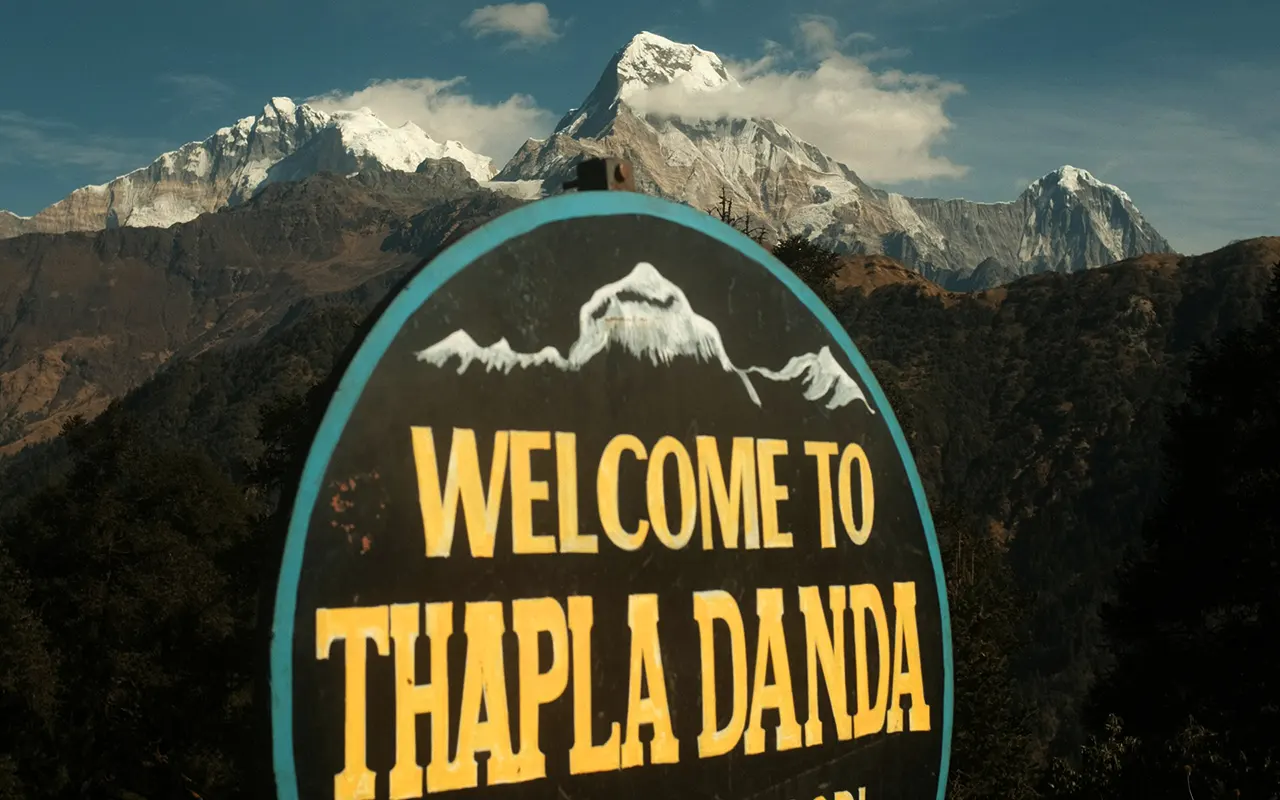
Khopra Danda Trek Seasonal Guide
| Season | Months | Experience |
|---|---|---|
| Spring | March to May | Best for flowers, clear views, and comfortable weather |
| Summer/Monsoon | June to August | Best for green landscapes and fewer crowds |
| Autumn | September to November | Best overall season with clear skies and stable conditions |
| Winter | December to February | Best for solitude, snow scenery, and experienced trekkers |
Spring (March–May)
Spring is one of the best time to complete the Khopra Danda Trek. This season, the rhododendrons are in bloom in the hills around the Annapurna region, Nepal’s national flower. The trail is surrounded by forests of red, pink and white hues, which makes a wonderful setting for trekkers and photographers.
The spring weather is generally settled with warm days and cool mornings. The day time temperature varies from 10°C to 20°C at the elevation of 2,500 m to 3,500 m. At night the temperature can drop to freezing at Khopra Danda. One of the major advantages of spring trekking is the good visibility of the mountains. On good mornings we have magnificent views of Annapurna South, Dhaulagiri, Nilgiri and Machhapuchhre. March and April are particularly popular because of the good weather and the flowering of the forests.
Advantages of Spring Trekking
- Beautiful rhododendrons along the trail.
- Comfortable temps for long walking days.
- Clear Himalayan views most mornings.
- Daylight hours longer.
- Conditions for photography excellent.
Things to Consider
- Popular trails can get busy in April and May.
- Teahouses can get crowded during peak trekking seasons.
- Afternoon clouds may show up in late May.
Best months in spring:The best months are usually March and April, but early May is also a good time.
Summer/Monsoon Trek (June to August)
Summer is the least favoured season for the Khopra Danda Trek as it is the monsoon season in Nepal. Heavy rain can affect the trail conditions, particularly in the forest sections and on steep paths. Trails can be slick and muddy and subject to occasional landslides.
Often the Himalayan peaks are shrouded in cloud and mist, so views of the mountains can be limited. But monsoon trekking has its charm too. The lush green landscape, more powerful waterfalls, and trails that are much less busy than during peak seasons await you on the khopra trek. Temperatures are still quite warm, especially at lower elevations. During the day temperatures are usually between 15 and 25 °C with humidity often making the lower levels feel warmer.
Advantages of Monsoon Trekking
- Few trekkers on the trail.
- Peaceful & quiet trek experience.
- Green forests and landscape.
- Cheaper accommodation.
Great place for the travellers seeking peace and quiet.
Challenges in Monsoon
- Rain, so much rain and muddy trails.
- Low visibility in the mountains.
- Leeches on low forest paths.
- Increased risk of landslides in some places.
- Need waterproof gear and flexible planning throughout the trek to ensure a successful Khopra Danda Trek experience.
The monsoon season can offer a unique and peaceful experience in Khopra Danda for experienced trekkers who want to go to remote places and don’t mind rain.
Autumn Trek (September to November)
The best season to do Khopra Danda Trek is considered to be autumn. The monsoon breaks and rain washes the dust and pollution out of the air, making some of the clearest skies of the year. Autumn offers trekkers uninterrupted views of the Annapurna and Dhaulagiri mountain ranges. The trails are generally dry and firm which provides for good walking and enjoyment.
Temperatures remain mild, with daytime temperatures ranging from 8°C to 18°C at higher elevations. Khopra Danda gets colder during the night especially in November so warm clothes are a must. October is the peak trekking season due to the good weather and clear mountain views. November is also a good option – same visibility, less crowded, making it one of the best times for Khopra Danda.
Advantages of Autumn Trekking
- Best Himalayan visibility of the year.
- Steady weather conditions.
- Dry, comfortable trails.
- The photography conditions were perfect.
- Comfortable temperatures.
- Festivals like Dashain and Tihar are cultural experience.
Things to Consider
- October is a busy month.
- Accommodation may need to be pre-booked.
- Prices may be slightly higher in peak season.
Best months in autumn:October and November are the most reliable months for trekking.
Winter Trek (December to February)
Experience the serene Himalayan winter on the Khopra Danda Trek with snow-clad vistas and fewer travellers. This is the season for trekkers who like solitude and dramatic winter scenery, it is a totally different experience. Temperatures are much colder at altitudes above 3,000m.
Nights can get below -5°C at Khopra Ridge and higher sections of the trail can be snow-covered. The optional walk to Khayer Lake is more difficult with freezing temperatures and potential snow. Winter requires more prep but the payoff is beautiful snow scenes, quiet trails and crystal clear views on clear days.
Advantages of Winter Trekking
- Less trekkers and peaceful trails.
- Snowy landscapes are pretty, especially when viewed from the Khopra Ridge Trek.
- Cut down on accommodation costs.
- Views of the clear mountains after snow.
- Great experience for the adventure seeking.
Winter Challenges
- Freezing cold nights and temperatures are common during the Khopra Ridge Trek, especially at higher altitudes.
- Snow possible at higher elevations.
- Icy paths that need extra care.
- Facilities in some teahouses can be basic.
- A guide is recommended during periods of heavy snowfall.
Winter trekking is for experienced hikers who can cope with the cold.
Trekking Conditions Month by Month
Know the monthly conditions to pick the best time for your adventure.
- January–February:Cold, possibly snowy at higher altitudes. For experienced trekkers looking for solitude.
- March:Pleasant weather with clear skies, and early rhododendron blooms.
- April:One of the best months for trekking, with colourful forests, warm temperatures, and great views.
- May:It is still a good month, but the clouds may increase in the afternoon to the end of the month.
- June-August:Monsoon season. Rain, muddy trails and leeches and limited mountain views.
- September:The monsoon begins to recede, with clearer skies at the end of the month.
- October:The best month for trekking with superb weather and excellent views of the mountains.
- November:Less busy than October, with dry trails and clear views of the Himalayas.
- December:Cold but not unbearable, chances of snow increasing toward the end of the month.
Best Time to Visit Khopra Danda: Final Recommendation
The overall experience of the Khopra Danda Trek is best in October, November, March and April. These sections offer a great combination of clear mountain views, pleasant temperatures, lovely scenery and safe trail conditions.
Really though, the best season comes down to your trekking goals. Choose spring for flowers and lively scenery, autumn for ideal Himalayan views, winter for peace and snow, or monsoon for a peaceful journey through green forests.
Khopra Danda Trek Itinerary
The Khopra Danda Trek itinerary can be modified according to your time, fitness and trekking goals. The majority of trekkers take between 7 and 9 days to complete the route. Shorter versions can be done in about 5 to 6 days but this involves skipping some side trips or doing longer days on the trail. The usual itinerary starts from Pokhara and takes you through beautiful Gurung and Magar villages before reaching Khopra Ridge (3,660 m).
The highlight of the trek is the sunrise and sunset view from Khopra Danda, and optional hike to Khayer Lake (4,660 m), one of the most scenic high altitude lakes in the Annapurna region. The trail is a fantastic mix of quiet forest walks, traditional villages, alpine scenery and breathtaking Himalayan views that makes it one of Nepal’s top community-based trekking experiences.
Recommended 7-Day Khopra Danda Trek Itinerary
The Khopra Danda Trek takes 7 to 9 days and is a full trek experience into the beautiful Annapurna region and perfect for those who want to trek 5 to 7 hours per day. That said, if you’re short on time, you can definitely condense the trip down to 5 to 7 days with a little planning, and some of the optional hikes such as Khayer Lake can be shortened or omitted.
The time it takes largely depends on your own pace of trekking, fitness level and how long you wish to spend at the key viewpoints and villages along the Khopra Danda trail. This flexibility allows more trekkers to take advantage of this fantastic Khopra Danda trek.
Day 1: Drive Pokhara to Ghandruk and Trek to Tadapani
Walking Time:3–4 hours
Maximum Altitude:2,630 m
The adventure starts with a beautiful drive from Pokhara to Ghandruk, one of the most popular Gurung villages in Annapurna region.
After exploring the village and enjoying views of Annapurna South and Machhapuchhre, we continue the trek through beautiful forests towards Tadapani. The trail takes you through oak and rhododendron forests, peaceful surroundings and the first views of the peaks of the Himalayas.Highlights:
- Traditional experience of the Gurung village.
- Annapurna South and Machhapuchhre vistas are among the best views in the region.
- Nice forest trail.
- Teahouse in Tadapani (Overnight).
Day 2: Tadapani to Dobato
Walking Time:5–6 hours
Maximum Altitude:3,420 m
The trail from Tadapani to Dobato is one of the most beautiful stretches of the Khopra Danda Trek. The trail gently ascends through dense rhododendron forests and tranquil mountain scenery.
As the altitude increases the forest turns to alpine country and the views of the surrounding Himalayan peaks broaden. Dobato is a peaceful mountain village and an excellent place to get a feel of the serene atmosphere of the Annapurna region.Highlights:
- Forests of Rhododendron and Oak.
- Paths less frequented by trekkers.
- Dobato – mountain views.
- Optional sunset views from nearby overlooks.
Day 3: Dobato to Upper Chistibung
Walking Time:5-6 hours
Maximum elevation:2,975 m
After breakfast we continue on the trail to Upper Chistibung. Many trekkers choose to do an early morning trek to Muldai Viewpoint which offers spectacular sunrise views of Dhaulagiri, Annapurna South, Nilgiri and Machhapuchhre.
The trail then winds down through forest and remote landscapes to the small community of Upper Chistibung, surrounded by nature. This section is a real off-the-beaten-path experience with fewer trekkers and untouched scenery.
Highlights:
- Sunrise at Muldai Viewpoint.
- Panoramic views of the Himalaya.
- Quiet woodland tracks.
- Real mountain village atmosphere.
Day 4: Chistibung to Khopra Danda
Length of walk:3-5 hoursMax. Altitude:3,660 m Today is the most exciting day of the trek as you finally reach the Khopra Ridge which is the main destination of the trek. The trail steadily ascends through alpine landscapes and finally reaches Khopra Danda.
Once on the ridge, trekkers are treated to stunning views of some of Nepal’s highest peaks including Dhaulagiri, Annapurna South and Nilgiri. One of the unforgettable highlights of the trek is the sunset from Khopra Ridge in the evening.Highlights:
- Get to Khopra Danda Ridge.
- Amazing view of the Himalayas.
- Views of sunset over Annapurna and Dhaulagiri.
- Overnight at the community lodge.
Day 5: Khopra Danda to Khayer Lake and back to Khopra Danda
Walking Duration:7–9 hours
Maximum Altitude:4,660 m
The trek to Khayer Lake is optional but a must do for those who want a taste of a higher altitude Himalayan landscape. The trail gradually ascends through rock terrain and alpine setting before reaching the sacred lake.
Khayer Lake is surrounded by snow capped peaks and is of great religious importance for the local people. After a day at the lake, Khopra Danda is the last overnight stop for trekkers.
Highlights:
- Visit Khayer lake.
- Scenery of the high Himalaya.
- Close up views of Annapurna South.
- Tough but rewarding day walk.
Note:This section needs good fitness and proper acclimation.
Day 6: Khopra Danda to Swanta Village
Walking Duration:5–6 hours
Maximum Altitude:2,200 m
Having taken in the last views from Khopra Ridge, the trail then descends through forests and terraced landscapes down to Swanta Village. Swanta is a beautiful Magar village where trekkers can experience the traditional village life and local hospitality.
Highlights:
- Scenic walk down hill
- Traditional culture of Magar.
- Rural landscape.
- Peaceful village stay.
Day 7: Swanta to Ghorepani and back to Pokhara
Walking Duration:4–5 hours trekking + drive The last day connects the route to the famous Ghorepani area. If your time schedule permits you can also extend the trek to Poon Hill to see the sunrise and get back to Pokhara. Your trip concludes with a picturesque drive back to Pokhara, an unforgettable Himalayan experience.Highlights:
- Poon Hill sunrise optional.
- Last views of the Himalayas.
- Drive to Pokhara.
Short Trek Khopra Danda Itinerary (5–6 Days)
For trekkers with limited time, the itinerary can be shortened:
Day 1:Pokhara to Ghandruk, Trek to Tadapani
Day 2:Tadapani to Dobato
Day 3:Dobato to Khopra Danda
Day 4:Explore Khopra Danda or hike Khayer Lake throughout the trek for a unique experience.
Day 5:Khopra Danda to Swanta
Day 6:Swanta to Pokhara through Ghorepani
This shorter version is perfect for physically fit trekkers who want a faster-paced adventure.
Key Stops Along the Khopra Danda Trek
Ghandruk Village
Ghandruk is one of the largest Gurung settlements in the Annapurna region and a popular starting point for many trekking routes. The village offers cultural experiences, traditional architecture and great mountain views.
Tadapani
Tadapani is located in the middle of beautiful forests and offers stunnning views of Annapurna South and Machhapuchhre. It’s a peaceful stopover in the middle of nature.
Dobato
Dobato is a tranquil mountain village, renowned for its peaceful atmosphere and its closeness to the Muldai Viewpoint, one of the best places to watch the sunrise in the area.
Khopra Ridge
Dobato is a tranquil mountain village, renowned for its peaceful atmosphere and its closeness to the Muldai Viewpoint, one of the best places to watch the sunrise in the area.
Khayer Lake
Kharer Lake is one of the most rewarding side trips from Khopra Ridge and is a sacred alpine lake at 4,660 meters.
Swanta Village
Swanta is a traditional Magar village where trekkers can experience the local culture and community-based tourism.
Best Trekking Route Combination Options
The Khopra Danda Trek can also be combined with other popular Annapurna routes:
Khopra Danda + Poon Hill Trek
A popular combo that adds the famous sunrise viewpoint of Poon Hill.
Khopra Danda + Khayer Lake Trek
Perfect for trekkers looking for a more challenging high altitude adventure.
Khopra Danda + Annapurna Trails
May be linked with other Annapurna trails for a longer Himalayan trek.
Khopra Danda Trek itinerary is a flexible trek so that trekkers can choose a relaxed cultural journey or challenging adventure with Khayer Lake. With good planning this trek is one of the best ways to experience the mountains of Nepal away from the crowded trails.
Khopra Danda Trek Travel Tips
The Khopra Danda Trek is safe and enjoyable if you prepare well. The trek is of moderate difficulty and suitable for many first-timers. However, the route is remote so trekkers should plan accordingly for the time of the year. Knowing about permits, where you’ll stay, what to pack and conditions of the trails will ensure a comfortable adventure in the Himalayas.
Permits and Regulations for Khopra Danda Trek
All trekkers need to obtain the necessary permits to enter the Annapurna Conservation Area before starting the trek. These permits help protect the natural environment, maintain trekking infrastructure and support conservation efforts in the region. The two main permits required are:
| Permit | Cost |
|---|---|
| Annapurna Conservation Area Permit (ACAP) | NPR 3,000 |
| Trekkers’ Information Management System (TIMS) Card | NPR 2,000 |
TheACAP permitcan be obtained from the Nepal Tourism Board offices in Kathmandu or Pokhara. The TIMS card is generally arranged through registered trekking agencies. Trekkers should carry their passport, passport-size photographs, and copies of important documents during the journey. Permit checks may take place at different points along the trail.
Accommodation Options along the Trek
As the Khopra Danda Trek is a community based trekking route, most of the accommodation is in the form of locally operated teahouses and mountain lodges. The facilities are basic but comfortable, unlike luxury trekking routes. These lodges offer comfortable rooms, hearty meals and an opportunity to experience true mountain hospitality. Typical accommodation includes:
- Twin-sharing rooms with basic beds.
- Shared bathrooms in most locations.
- Hot showers available at some lodges for an extra fee.
- Charging facilities for electronic devices (additional cost).
- Common dining areas with heating during colder months.
Average accommodation costs range from NPR 500–1,000 per night, depending on location and season. Popular overnight stops with teahouse facilities include:
- Ghandruk
- Tadapani
- Dobato
- Upper Chistibung
- Khopra Danda
- Swanta
Staying in community lodges directly supports local families and helps promote sustainable tourism in the Annapurna region.
Food and Drinking Water
The Khopra Danda Trek offers simple, healthy food that will keep you fuelled for the long walking days throughout the trek. Common meals available along the trail include:
- Dal Bhat (rice, lentils, and vegetables)
- Noodles
- Pasta
- Soups
- Tibetan bread
- Pancakes
- Eggs
- Potatoes
- Tea and coffee are often enjoyed by trekkers as a warm beverage during the Khopra Ridge Trek.
Dal Bhat is a popular choice among trekkers because it provides a balanced combination of carbohydrates and protein, and many lodges offer unlimited refills. Safe drinking water is available throughout the route. Trekkers can choose from the various options available for the Khopra Ridge Trek.
- Filtered water from teahouses.
- Bottled water (less environmentally friendly).
- Water purification tablets.
- Portable water filters.
Using a reusable bottle and purification method is recommended to reduce plastic waste in the mountains.
Packing Essentials for Khopra Danda Trek
Packing the right equipment is important because weather conditions can change quickly in the Annapurna region. Your packing list should be adjusted depending on the trekking season.
Clothing Essentials
- Moisture-wicking base layers.
- Warm fleece jacket.
- Down jacket for high elevations during the khopra trek is essential.
- Waterproof and windproof jacket.
- Trekking pants.
- Thermal underwear.
- Warm hat and gloves.
- Sun hat.
- Comfortable trekking socks.
Footwear
- Waterproof trekking boots.
- Lightweight sandals or camp shoes.
- Trekking gaiters (especially during winter or rainy seasons).
Trekking Equipment
- Comfortable backpack (30–40 liters).
- Rain cover for backpack.
- Trekking poles.
- Sleeping bag suitable for cold temperatures.
- Headlamp with extra batteries.
- Reusable water bottle.
- Water purification tablets or filter.
Personal Items
- Sunscreen and lip balm.
- Sunglasses with UV protection.
- Personal first-aid kit.
- Toiletries.
- Quick-dry towel.
- Hand sanitizer.
- Camera or smartphone for photography.
Important Documents
- Passport.
- Trekking permits are required for those embarking on the Khopra Danda Trek.
- Travel insurance documents.
- Emergency contact details.
- Extra cash in Nepali currency.
Trail Conditions and Safety
The Khopra Danda Trek is classified as a moderate-level trek. It does not require technical climbing skills, but trekkers should have good physical fitness because the route includes long walking days, steep ascents, and high-altitude terrain. Most days involve around 5 to 7 hours of walking, with some sections requiring more effort, especially the Khayer Lake hike.
Altitude Considerations
The main viewpoint of Khopra Danda is located at 3,660 meters, while the optional Khayer Lake hike reaches approximately 4,660 meters. To reduce the risk of altitude sickness:
- Walk at a steady pace.
- Stay properly hydrated.
- Avoid rushing to higher elevations.
- Take enough rest.
- Inform your guide or trekking partners if you feel unwell.
Symptoms such as severe headache, nausea, dizziness, or unusual tiredness should never be ignored, especially during the trek in Nepal’s Annapurna.
Trekking Safety Tips
Follow these safety recommendations for a smoother experience:
Check Weather Conditions
Mountain weather can change quickly. Check forecasts before starting each trekking day, especially during winter and monsoon seasons.
Hire a Guide When Needed
While experienced trekkers may be able to do the route on their own, it is recommended that you hire a local guide, particularly in winter, if you are new to trekking or if trekking to Khayer Lake. A guide can help with:
- Navigation.
- Accommodation arrangements.
- Weather decisions.
- Emergency situations.
- Cultural communication.
Carry Essential Supplies
The Khopra Danda is less busy than other Annapurna trails and some sections have limited facilities. Bring enough snacks, water purification supplies and basic medical items.
Travel Insurance
A comprehensive travel insurance policy is strongly recommended. It should cover:
- High-altitude trekking.
- Emergency evacuation.
- Medical treatment.
- Trip cancellation.
Frequently Asked Questions (FAQs)
What is the best time for the Khopra Danda Trek?
The best season for the Khopra Danda Trek is spring (March-May) and autumn (September-November). These seasons offer stable weather, clear mountain views and comfortable trekking conditions.
How difficult is the Khopra Danda Trek?
Difficulty Level: Moderate. It is appropriate for good fitness level beginners and experienced trekkers who are seeking a peaceful Himalayan route.
How many days are needed for the Khopra Danda Trek?
Most itineraries are 6 to 9 days. You can do a shorter one in about 5-6 days, but you need more time if you want to add Khayer Lake.
Is Khayer Lake worth visiting?
Yes. Khayer Lake is one of the main highlights of the trek. It’s a dramatic mountain setting at 4,660m and a unique high-altitude experience.
Do I need a guide for Khopra Danda Trek?
Although not essential for experienced trekkers, hiring a guide is recommended for beginners, solo trekkers and winter trekking.
Can beginners do the Khopra Danda Trek?
Yes. This trek is suitable for beginners in good physical condition and who prepare properly for altitude and long days of walking.
Is Khopra Danda Trek crowded?
Khopra Danda Trek is not very crowded. It is one of the lesser-known trekking trails in Nepal, and as a result, it receives fewer visitors compared to the more popular routes like the Everest Base Camp Trek or the Annapurna Circuit, making it a hidden gem for those seeking the best views. The trail is relatively remote and off the beaten path, which contributes to its peaceful and serene atmosphere. You can expect to encounter fewer trekkers along the way, making for a more tranquil and immersive experience in the Himalayas.
Conclusion
The Khopra Danda Trek is one of Nepal’s most rewarding hidden gems, with spectacular Himalayan views, authentic village experiences and peaceful trails away from the crowds. It’s a fantastic trek for beginners and seasoned trekkers, offering intermediate difficulty, flexible itinerary options and community-based lodges.
The ideal time to visit Khopra Danda depends on what you want to experience. Autumn (September to November) has the best mountain views and most settled weather, but Spring (March to May) has the best trekking conditions with colourful rhododendron forests.
Best time to visit is winter for solitude and snow scenery, monsoon for quieter journey through lush green landscapes. With the right preparation, the right season and a well-planned itinerary, the Khopra Danda Trek offers an unforgettable Himalayan adventure of natural beauty, cultural discovery and lasting memories.