

Nepal located in the center of the Himalaya is the trekkers dream destination of all adventurers across the globe. This mountainous country has eight of the fourteen tallest peaks in the world including the top of the world, Mount Everest; and has pristine trekking experiences which can vary between a stroll in rhododendrons forests to high end adventures in high altitude. It does not matter whether you are a novice trying to have your first mountain experience or a veteran where you will get the ultimate adventure, the rich topography of Nepal offers something amazing to everyone.
Be it the legendary Everest Base Camp trek which attracts thousands of adventurers each year or some of the most unknown routes such as the Upper Mustang trek that exposes one to a snippet of the remote Tibetan culture, Nepal has some of the most spectacular mountain ranging views as well as ancient culture of its people and their hospitality that has been the allure of many tourists over the years. Here is a complete guide that lists the top 25 treks in Nepal so that you can identify the right one that will make your next visit to the Himalayas a delightful one.
What is the reason to Trek in Nepal?
The trekking potential of Nepal goes well beyond the magnificence of the mountaineers. The nation has an unbelievable landscape variety: the subtropical forests on the lowland territories and the arctic climate on the high altitude. Trekkers have the opportunity to feel several climate niches, to meet original fauna and flora, to see old temples, and to communicate with different ethnic groups in one trip.
Nepal is quite friendly to both the amateur trekkers as well as the more experienced trekkers due to the established trekking infrastructure such as the teahouses system as well as qualified local trekking guides. Sustainable tourism and conservation efforts in this country also serve the interest of sustainability of the mountainous environments to future generations at the same time as the tourist industry is a source of revenue to the surrounding population.
1. Everest Base Camp Trek
- Time Duration: 12-14 days
- Level of difficulty: Moderate and Challenging
- Highest point: 5,364m (17,598ft)
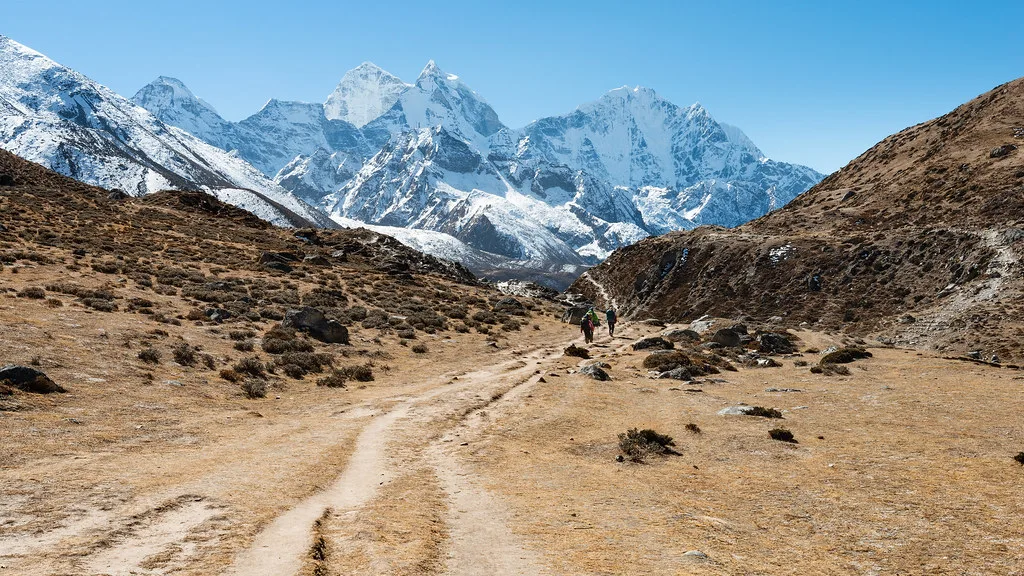
Everest Base Camp trek is the holy sunflower of trekking expedition. This legendary trek follows the core of Kumbu region and has the inputs of outstanding view of Everest, Lhotse, Nuptse, and Ama Dablan. The trek starts off with a very exciting flight to Lukla and the trek also leads through villages inhabited by Sherpas and the trek entails Namche Bazaar, Tengboche, and Dingboche.
Among the names that one can expect are the visit to the popular Tengboche Monastery, acclimatization days in Namche Bazaar, and the crowning glory of the visit to the Everest Base Camp. Trek involves being fit in a good physique and being well-acclimatized to suit the high altitude.
2. Annapurna Circuit Trekking
- Length: 15-20 days
- Factor of Difficulty: Moderate to Difficult
- Highest Elevation: 5,416m (17,769ft) Thorong La Pass
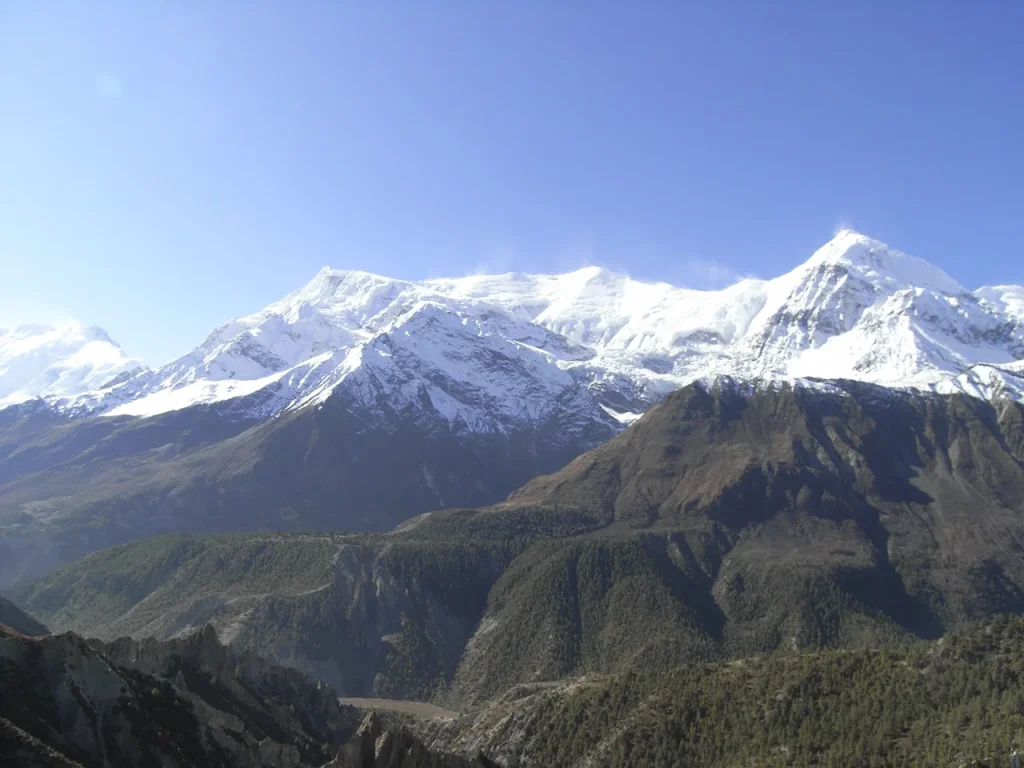
Annapurna Circuit is also credited with the rarest diversity, which exposes the trekkers to the sub–tropical forests, alpine pastures and high altitude deserts. This standard route is a route around the Annapurna massif and it passes the difficult Thorong La pass which has magnificent views of Annapurna, Dhaulagiri as well as Machhapuchhre.
Cultural experience is also a gain as one has a chance of seeing and visiting Hindu and Buddhist temples and one gets to meet people of so many ethnic groups and he can also get to see the difference in topography, that is, lush green plains changing to the dry Tibetan plateau like landscape.
3. Annapurna Base Camp trek
- Time: 7-12 days
- Difficulty: Moderate
- Peak: 4,130 m (13,550ft)
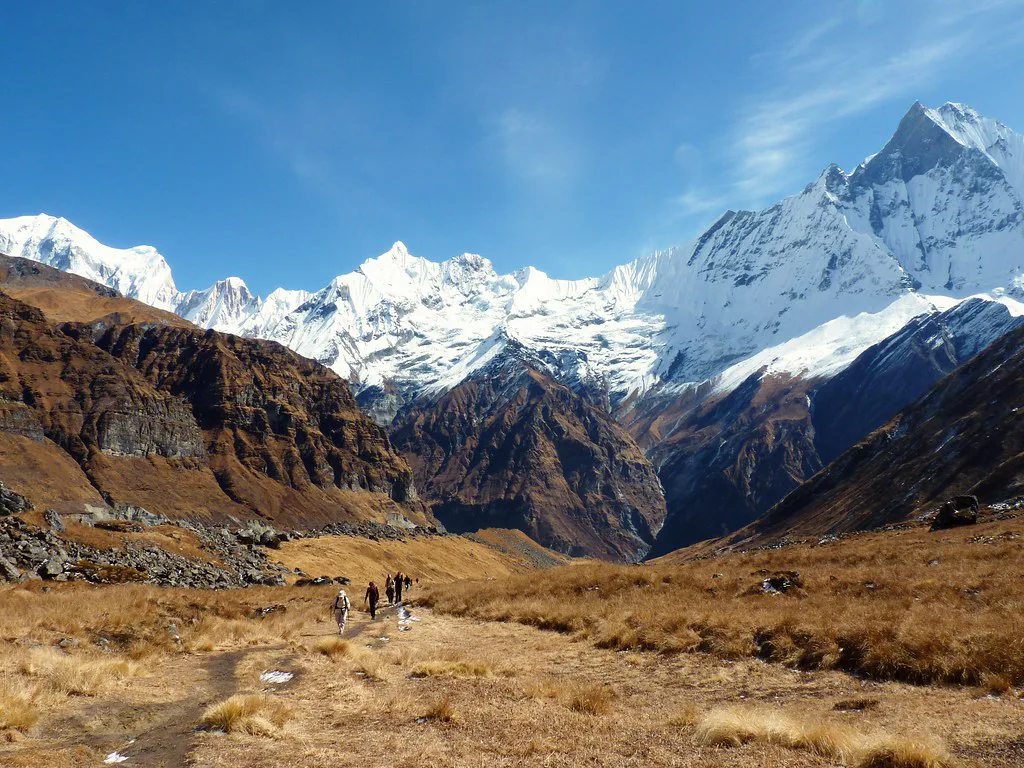
This trek also referred to as the Annapurna Sanctuary trek, is a trip that culminates to an amazing amphitheater flanked with towering mountains. The hike presents the sight of Annapurna I, Annapurna South, Hiunchuli and the famous Machhapuchhre (Fishtail Peak) at a close distance.
The trek goes through beautiful Gurung villages, rhododendron forest and bamboo groves to the base camp. This is an ideal trek in case a person wants to see dramatic views of the mountains but is not up to the high altitude issues experienced in other high-altitude treks.
4. Trek to Langtang Valley
- Time frame: 7-10 days
- Difficulty: Moderate
- Peak Elevation: 4,984m (16,350ft) at Tserko Ri
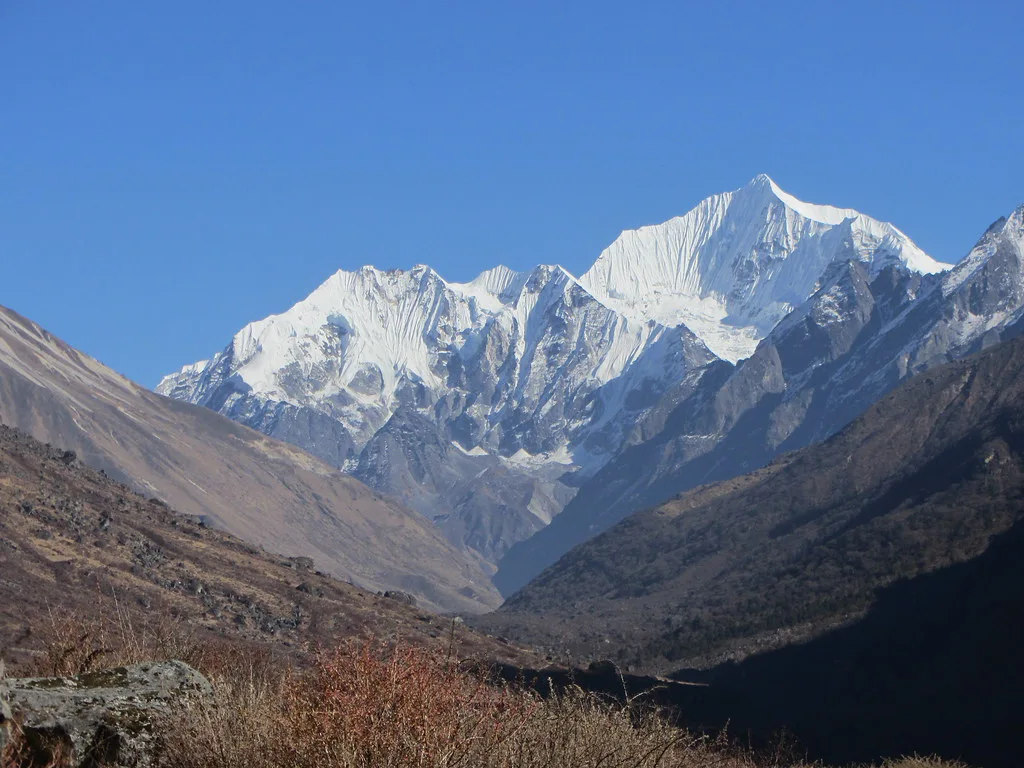
Langtang valley trek is an ideal blend of culture and nature. This trek is found north of Kathmandu and takes up the Langtang National Park, where you find some red pandas, black bears of the Himalaya and more than 250 species of birds.
The path goes along Langtang River passing through dense forests and then opens up into the lovely Langtang Valley. Trekkers also get to spend time with the strong Tamang people, who have made their communities again after the disastrous earthquake of 2015, exhibiting heroic efforts and humanity.
5. The Manaslu Circuit Trek
- Length of program: 14-18 days
- Difficulty: Challenging
- Highest point: 5,106m (16,752ft) Larkya La Pass
The Manaslu Circuit is another trek that goes around the eighth highest peak of the world presenting an alternative that is less crowded and more remote, in the mould of Annapurna Circuit. This limited entry trek involves special permission, the wilderness of the mountains, medieval Buddhist culture and the panorama of some mountains.
It has a variety of terrain, sub-tropical to high altitude glacial valleys and traverse through Larkya La Pass, one of the most difficult ones to cross. Cultural experience comprises visits to traditional monasteries and communications with Tibet-influenced societies.
6. Upper Mustang Trek
- Duration: 10-14 days
- Difficulty: Moderate
- Top Elevation: 4,000m (13,123ft)
Adventure Upper Mustang trek takes you to an unknown kingdom which before 1992 was shut off to foreigners. This confined locality trek exposes one to a landscape that has recalled talismanic Tibet, to cave homes decorated in the olden days, and a colored rock fortification and the medieval walled-city of Lo Manthang.
The journey gives a glimpse of the traditional Tibetan Buddhist culture, ancient trade routes and gorgeous desolate alpine sceneries. Its special geography is in the form of rain shadow, which makes it a very good trekking destination even in the season of monsoons.
7. Gokyo Lakes Trek
- Time: 12-15 days
- Level: Intermediate to Hard
- Highest Point: Gokyo Ri: 5,357m (17,575ft)
The Gokyo Lakes trek covers a different route in Everest region as well, surrounded by turquoise lakes and stunning perspectives. The trek also entails the ascent up the Gokyo Ri where arguably there is a better 360 degree view than at the base camp of Everest, along with close up views of Cho Oyu, Everest, Lhotse, and Makalu.
The Waterfall is the main attraction, followed by the series of sacred lakes, the largest of which is Dudh Pokhari. The Everest Base Camp trek can be combined with the trek along the Cho La Pass which is a challenging and difficult journey but also an enriching experience of Everest region.
8. Three Passes Trek
- Time period: 18-21 days
- Grade: Extremely Hard
- Highest point: 5,545m (18,192ft) on Kongma La Pass
The three passes trek is the final peak at the Everest region, it involves trekking over three consecutive high passes which include Kongma La, Cho La and Renjo La. It is the combination of the Everest Base Camp trek and the Gokyo Lakes trek with the addition of the difficulty in the pass crossings.
The trek provides exclusive mountain views, sightseeing in two base camps (Everest and Cho Oyu), the experience of having finished one of the most difficult treks in Nepal. Good physical condition and prior experience of high-altitude is necessary.
9. Dhaulagiri Circuit Trek
- Time frame: 18-21 days
- Point of Difficulty: It is very challenging.
- Greatest Elevation: 17,585ft (5,360m) at French Pass
Dhaulagiri Circuit Trek is a trek that circumnavigates the seventh-tallest mountain in the world among the wild and remote areas. This is a challenging trail that needs camping gear and it passes through two high passes, French Pass and Thapa Pass.
The route is complete seclusion, stunning nature, and overwhelming scenery of Dhaulagiri and other mountains. The path involves glacier traverse and is best only to experienced trekkers. It demands a good mountaineering ability.
10. Kanchenjungha Base Camp trek
- Time: 20-24 days
- Difficulty: Very Challenging
- Highest Summit: 5,143m (16,873ft)
Kanchenjunga Base Camp is the expedition to the undeveloped eastern corner of Nepal and focuses on the third-highest mountain in the world. This is a limited zone hike providing clean wilderness, flourishing flora and fauna and amazing mountain ranges that are overcrowded with other popular hikes.
Trek also is available through north and south base camps that gives you an opportunity to have different views of this huge mountain. The cultural experience also involves a tour to Limbu and Rai and hence ethnographic richness to the adventure.
11. Makalu Base Camp Trekking
- Duration: 18-21 days
- Notice: It is a very difficult trek
- Highest Point: (15,978ft), 4,870m
Makalu Base Camp trek leads trekkers to the sixth-highest mountain on planet earth via Makalu-Barun National Park. This wilderness difficult trekking provides a great biodiversity starting with the tropical forests, high altitude jungle and magnificent views of such mountains as Makalu, Everest, Lhotse and Chamlang.
This mountain trek involves river-crossing, uphill climb, and isolated areas, which demand excellent physical conditions and mountaineering experience. Smoke free wilderness and among the most impressive mountain panoramas of the Himalaya are the reward.
12. Dolpo Trek
- Duration: This can take 21-28 days
- Challenging Level: It may be a challenging trek
- Highest Point: 5,115m (16,781ft) Numa La Pass
Dolpo trek visits some of the remotest, and least spoilt culture of Nepal. The area is a restricted trek that sparked the famous book by Peter Matthiessen titled the Snow Leopard and it provides glimpses into Bon and Buddhist ancient culture.
Among the highlights of the trek are the high altitude lakes, the old monasteries and the picturesque Phoksundo Lake with its much defining turquoise colored water. Cultural experience takes part in the contact with the Tibetan people who have spent centuries preserving their way of life.
13. Nar Phu Valley Trek
- Duration: 14-18 days
- Difficulty: Challenging
- Max altitude: 5,416 (17,769ft) at Thorong La Pass
Nar Phu Valley Trek is a journey into un explored valleys that were uncovered to foreigners in recent times with pure mountain wilderness and pure Tibetan culture. The trek is restricted, so it can be linked with the Annapurna Circuit to include a touch of culture to this more traditional route.
The hike includes old villages, historical housing, and amazing mountains. The relative isolation has helped maintain culturally distinctive practice and conventional livelihood that is hardly observed in the rest of Nepal.
14. Tsum Valley Trek
- Time: 14 to 18 days
- Degree of difficulty: moderate—correspondent to challenging
- Summit altitude: 3,700m ( 1 2,139ft )
Tsum Valley trek is an expedition to a mystical concealed valley affected by Tibet Buddhism. This short hike provides knowledge about ancient Buddhist culture as well as some beautiful monasteries and panoramic mountains such as Ganesh Himal and Buddha Himal.
The valley is believed to be a beyul or holy refuge and trekkers have so much to explore such as traditional Buddhism culture, visiting old Tibetan gompas, socializing with those communities who hold and practice their spiritual principles since many years ago.
15. Gosaikunda Trek
- Length: 7-10 days
- Difficulty: Moderate
- Farthest: 4,380m (14,370ft)
The Gosaikunda Trek takes to the high altitudinal lakes that are sacred and worshiped by the Hindus and the Buddhists. It is a comparatively small trip within the Langtang area and with all the spectacular mountains, clean lakes, and cultural value.
The trek is more famous in the months of Janai Purnima festival when the sacred lakes are visited by thousands of pilgrims. The trail may be joined with Langtang Valley trek to make it a longer trekking experience.
16. Helambu Trek
- Period: 5-7 days
- Challenge: Easy to Medium
- Highest point: 3,510m (11,515ft)
Helambu trek is an ideal starting point of Himalayan trek because it consists of pleasant forests, traditional villages and moderate mountain vistas. It is a good trek that is suitable to a newbie or those with free time and is reasonably near Kathmandu.
The trail goes through villages of Sherpa and Tamang as it crosses bars and friendly local teahouses. It is a great trek in acclimatization training in more trips of greater difficulty.
17. Jomsom Muktinath Trek
- Time: 10-12 days
- Difficulty: Moderate
- Maximum Altitude: 3800m (12467ft)
Jomsom Muktinath trek is a mix of fantastic and spiritual values, where one travels to the temple of Muktinath, which is a pilgrimage site of the Hindu and the Buddhist. The trek exhibits a wide range of beautiful scenes and pictures of the Annapurna range and Dhaulagiri range in its journey.
The trail integrates the deepest gorge worldwide Kali Gandaki Gorge and gives an experience of the Thakali culture. The journey could be done by flying in or out of Jomsom and decreasing the amount of time walking, nevertheless, sustaining the spiritual as well as cultural experience.
18. Mardi Himal Trek
- Time range: 5-7 days
- Difficulty: Moderate
- Highest point: 4,500m (14,764ft)
Another new track is the Mardi Himal trek which provides breathtaking panoramas of Annapurna South, Hiunchuli and Machhapuchhre at a close view. It is a shorter foot trail with a great mountain view and high traffic compared to more established trails.
With a wide variety of scenery, including rhododendron forest and high ridge line, the trek is an excellent value to the limited time trekkers. The path has amazing sunsets and sunrises on the Annapurna range.
19. Pikey Peak Trek
- Duration: 6-8 days
- Degree of Challenges: Easy to Moderate
- Highest Altitude: 13,337 ft/ 4065 Meters
Pikey Peak trek is an impressive trek recommended by Sir Edmund Hillary who loves to see views of Everest during his treks and this offers magnificent panoramas of Himalayan range such as Everest, Makalu, Kanchenjunga, and Annapurna.
The little known trail offers great mountainous sceneries, cultural encounters with Sherpa people, and scenic rhododendron forests. This hike is ideal when one demands a good bird view that is not very difficult.
20. Trek Ruby Valley
- Time: 12-15 days
- Difficulty: Moderate
- Highest elevation: 4,300m (14,107ft)
Ruby Valley Trek is a new route to the unexplored area of Langtang and Mansalu with the wilderness of mountains and a glimpse of pure cultures. The fact that this trek is community based brings economic gain directly to the villages.
The hike has a variety of themes, small villages, panoramic histories, scenic views of the mountains without any hustle of the more popular trails. It has a name which is related to the precious stones which are present in the area.
21. Tamang Heritage Trail
- Acquisition time: 6-10 days
- Frequency: Easy to Moderate
- Ceiling: 3,165m (10,384ft)
Tamang Heritage Trail is a cultural based trek and is more of learning about the traditional ways of life, customs and praying. The community trek is a straight reward to the locals.
The hike involves the skills of traditional architecture, terraces, and moderate mountain sceneries but focuses on cultural exchange and real experience. The path is ideal for cultural lovers and people interested in community tourism.
22. Rolwaling trek
- Length of service: 18-21 days
- Challenge: Very Hard
- High: 5,755m (18,881ft) at Tashi Lapcha Pass
Rolwaling Valley trek is an exploration of one of the most inaccessible valleys of Nepal which later brings you to difficult Tashi Lapcha Pass. This challenging trek entails mountaineering, and experiences an unpretentious wild and beautiful mountain views.
That trail is readily combinable with the Everest region by traversing the Tashi Lapcha Pass, for one of the toughest, but most rewarding treks in Nepal. The valley is believed to be sacred and it has unbelievable solitude.
23. Khopra Danda Trek
- Time frame: 10-12 days
- Difficulty: Moderate
- Highest Engagement: 3,660m (12,008ft)
Khopra Danda is a unique trekking trail that presents viewpoints that one cannot even imagine and the panorama of the Annapurna range and Dhaulagiri range can be seen out of the lodge at Khopra Ridge. This more recent path offers great mountain views and helps local populations.
The hike is accompanied by a detour to the holy Khayer Lake and provides an amazing view of Sunrise and Sunset. The trail is composed of community tourism and the beauty of nature.
24. Panorama trek of Annapurna
- Time span: 7-10 days
- Skill Level: Easy, to Medium
- Highest summit: 3,210m (10,531ft)
Poon Hill trek (Annapurna Panorama trek) provides wonderful mountain sceneries, people and also rhododendron forests. The shorter hike is ideal with novices or people who cannot hike long distances.
The best moment is at a sunset view at the Poon Hill where you will enjoy moon-like panoramic features of Annapurna and Dhaulagiri ranges. The hike involves visits to the Gurung and Magar villages, which gives cultural experiences.
25. Ghandruk Village Trek
- Course of duration: 3-5 days
- Difficulty: Easy
- Highest elevation: 2,012m (6,601ft)
Trek of Ghandruk Village is the ideal trek, which provides an exemplary exposure to the culture of the Himalaya and moderate mountain views. It is a short hike suitable when traveling with families or when just wanting to achieve a small adventure without hard challenges to the body.
The village possesses the traditional architecture, culture and lifestyle of Gurung along with the beautiful view of Annapurna South and Machhapuchhre. The hike can be good training for longer trips.
Plan Your trek to Nepal
Very good Time to Trek
In Nepal, there are predominantly two trekking seasons; pre-monsoon: March-May; and post-monsoon: September-November. The spring rhododendrons are in flower and the mountains are clear and the autumns have crystal-clear visibility and stable weather. During the winter, trekking is allowed at a lower altitude whereas the monsoon season (June-August) can be chosen in rain-shadow places such as the Upper Mustang and the Dolpo.
Permissions and bylaws
The authorization cards on most treks are TIMS (Trekkers Information Management System) cards as well as national park entry permits. Special restricted area permits are required to visit some regions such as the Upper Mustang, Manaslu and Kanchenjunga. When venturing into restricted lands, always go with registered agencies and make sure there is documentation.
Physical Preparation
In Nepal, trekking needs a decent physical condition, particularly in high-altitude places. Start training several months prior by practicing cardiovascular training, strength exercises and hiking. High altitude treks must however be well acclimatized in order to avoid altitude sickness.
Packing what to carry
Among the basic equipment, there should be the right trekking shoes, clothes according to the multilayered principle, sleeping bags with the temperature factor, first aid kit, and personal medicines. In Kathmandu many things can be bought or rented out, but make sure to get quality gears where rigid things are needed like safety equipment.
Cultural Considerations
Show the home town customs, dress decently, and adhere to the principles of Leave No Trace. By using preferentially locally-owned teahouses and services, you assist local communities. Pick up some simple Nepali expressions and be thankful to local hospitality.
Conclusion
The 25 best treks in Nepal are as diverse as it is possible, with treks that cover all the options: gentle flavel-level cultural treks and the most extreme high altitude treks. Both treks have their own special moments, beautiful mountains and chances to self-develop and understanding of other cultures. Either you opt to trek to the legendary Everest Base Camp, culturally diverse Upper Mustang, or the wilderness in Dolpo, Nepalese mountains will guarantee a life-changing experience.
It is the principal that makes a thing successful like a realization of a good trek with the real goal set with respect to the mountain environment and the cultures. Nepals trekking facilities, qualified guides and hospitality have made it as a suitable place even to the first time and experienced trekkers to encounter the ultimate adventure of mountains.
Begin the planning of your Nepal trekking adventure now, and expect to find out why adventurers have been winding up in this Himalayan kingdom, generation after generation. Call of the mountains is the same, what trail are you going to do next and make a memorable adventure?
Frequently Asked Questions (FAQs) - Get the Answers You Need

The best time for trekking in Nepal is during autumn (September-November) and spring (March-May). Autumn offers crystal-clear mountain views, stable weather, and comfortable temperatures, making it the most popular season.
Spring provides blooming rhododendrons, longer daylight hours, and excellent visibility, though afternoons can be cloudier. Winter (December-February) is suitable for lower altitude treks, while monsoon season (June-August) is ideal for rain-shadow regions like Upper Mustang and Dolpo.
While independent trekking is allowed on most popular routes like Everest Base Camp and Annapurna Circuit, hiring a guide is highly recommended for safety, cultural insights, and navigation assistance.
Guides are mandatory for restricted area treks including Upper Mustang, Manaslu Circuit, and Kanchenjunga. Even experienced trekkers benefit from local knowledge, especially regarding weather conditions, cultural etiquette, and emergency procedures.
Most treks require a TIMS (Trekkers’ Information Management System) card and national park entry permits. Popular areas like Everest and Annapurna regions need Sagarmatha National Park and Annapurna Conservation Area permits respectively.
Restricted areas require special permits: Upper Mustang ($500 for 10 days), Manaslu ($100 in autumn/spring), and Kanchenjunga ($20 per week). Always obtain permits through registered agencies and carry copies during your trek.
Trekking costs vary significantly based on route, duration, and service level. Budget independent trekking costs $20-30 per day including accommodation, meals, and permits.
Guided group treks range from $40-80 per day, while luxury treks can exceed $150 daily. Major expenses include permits ($30-500), flights to remote areas ($200-400), gear rental/purchase ($200-500), and guide/porter fees ($25-40 per day). Restricted area treks cost significantly more due to permit fees.
Fitness requirements vary by trek difficulty. Easy treks like Ghandruk Village require basic walking fitness, while moderate treks like Annapurna Base Camp need regular cardiovascular exercise and hiking experience.
Challenging treks like Everest Base Camp require excellent fitness, altitude training, and previous multi-day hiking experience. Very challenging routes like Three Passes Trek demand exceptional fitness, mountaineering skills, and high-altitude experience. Start training 3-6 months before your trek.
Essential items include proper trekking boots, layered clothing system, down jacket, rain gear, sleeping bag rated for expected temperatures, headlamp, first aid kit, water purification tablets, and personal medications.
High-altitude treks require additional items like sunglasses, sunscreen, altitude sickness medication, and warmer gear. Many items can be purchased or rented in Kathmandu, but ensure quality for critical safety equipment. Pack light but don’t compromise on safety essentials.
Altitude sickness is a serious concern on high-altitude treks above 2,500m (8,200ft). Symptoms include headaches, nausea, fatigue, and difficulty sleeping. Prevention includes proper acclimatization (ascending slowly), staying hydrated, avoiding alcohol, and recognizing symptoms early.
Severe cases require immediate descent. Popular acclimatization stops include Namche Bazaar (Everest region) and Manang (Annapurna region). Consider carrying altitude sickness medication and travel insurance covering helicopter evacuation.
Absolutely! Nepal offers excellent beginner-friendly treks including Ghandruk Village Trek, Annapurna Panorama (Poon Hill), and Helambu Trek. These routes provide beautiful mountain views, cultural experiences, and comfortable accommodations without extreme altitude or technical challenges.
Beginners should start with shorter, easier treks to build confidence and experience before attempting longer or more challenging routes. Proper preparation, realistic expectations, and guided support ensure successful first-time trekking experiences.
Nepal’s popular trekking routes feature extensive teahouse networks providing basic but comfortable accommodation and meals. Teahouses offer twin-bed rooms (shared bathrooms), hearty meals, and social atmospheres. Remote areas may require camping with full expedition support.
Luxury lodges operate on some routes offering premium amenities. Accommodation costs range from $5-50 per night depending on location, altitude, and comfort level. Book in advance during peak seasons.
Nepal trekking is generally safe with proper preparation and precautions. Main risks include altitude sickness, weather changes, trail accidents, and political situations. Choose reputable agencies, follow guide advice, maintain emergency communications, and purchase comprehensive travel insurance.
Trek with companions, inform others of your itinerary, and carry emergency supplies. Nepal’s tourism infrastructure is well-developed with rescue services available, though response times vary by location.
Consult your doctor 6-8 weeks before travel. Recommended vaccinations include Hepatitis A and B, Typhoid, Japanese Encephalitis (for Terai region), and routine immunizations (MMR, DPT, flu).
Malaria prophylaxis may be needed for low-altitude areas. Ensure tetanus is current due to injury risks. Some trekkers receive altitude sickness medication prescriptions. Carry a comprehensive first aid kit and personal medications throughout your trek.
Consider your fitness level, hiking experience, time availability, and altitude tolerance. Easy treks (under 3,000m) suit beginners with basic fitness. Moderate treks (3,000-4,000m) require good fitness and some hiking experience.
Challenging treks (4,000-5,000m) need excellent fitness and previous high-altitude experience. Very challenging treks (above 5,000m) require exceptional fitness and mountaineering skills. Start with easier routes and progress gradually. Consult with experienced trekking agencies for personalized recommendations based on your abilities and goals.